
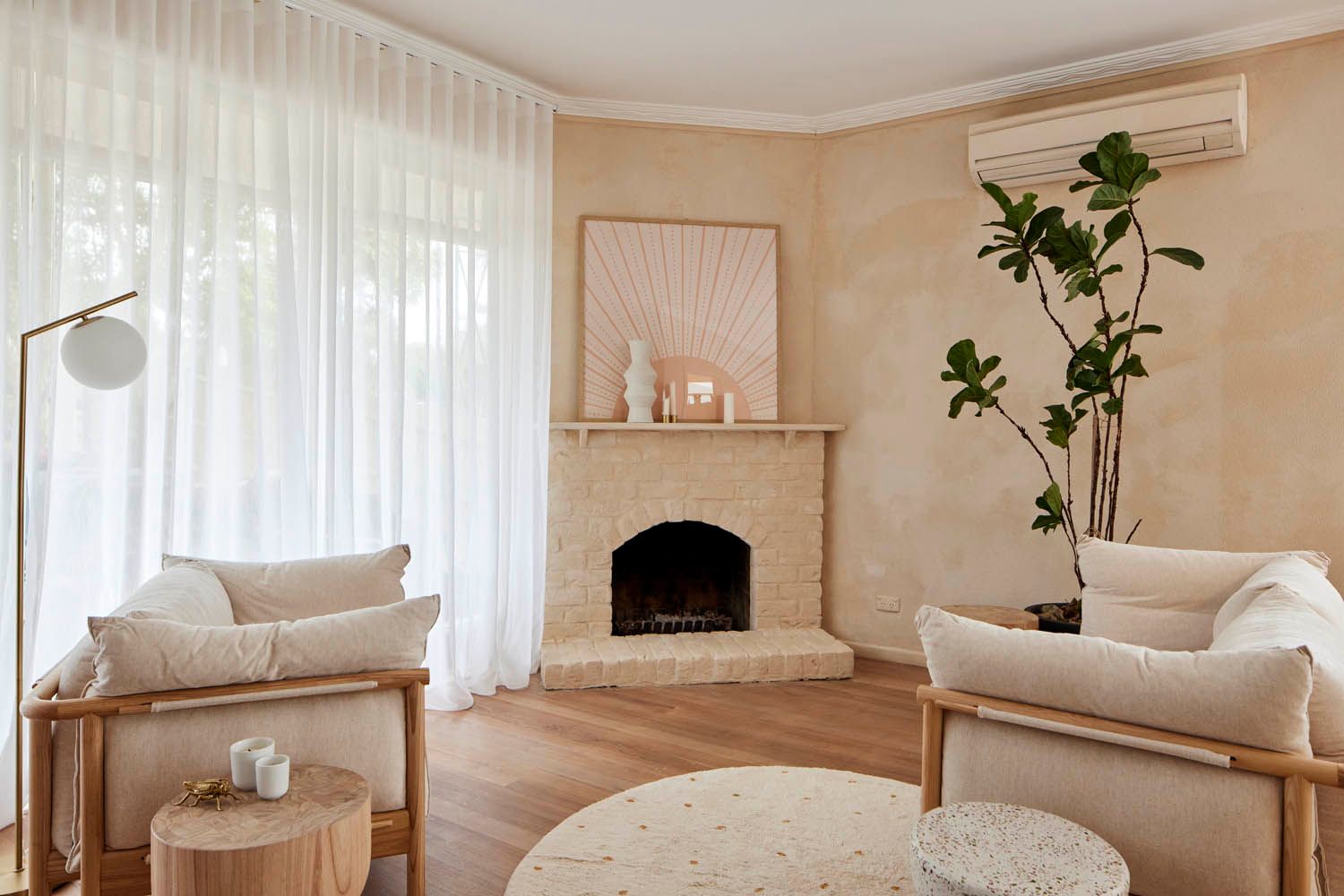
Living rooms are where comfort meets presentation. It’s the space guests see first and where everyday life unfolds, so curtain styling plays a major role in shaping the atmosphere.
The right custom curtains can soften architecture, frame views, enhance natural light, and tie together your entire colour scheme. With a few thoughtful choices, they can transform an ordinary living room into a cohesive and inviting space.
Go Floor-to-Ceiling for Elegance
One of the simplest ways to elevate a living room is by hanging curtains close to the ceiling and letting them fall to the floor. This creates vertical emphasis and makes ceilings feel higher.
Even in rooms with standard ceiling height, this approach adds a tailored and polished look. Panels that just touch the floor feel refined, while a slight break adds softness.
Choose the Right Fabric Weight
Fabric sets the tone. Lightweight linens and cotton blends create an airy, relaxed atmosphere, perfect for casual or contemporary spaces.
Heavier fabrics like velvet or lined drapery add warmth and formality. They also improve insulation and light control, which is ideal for larger living rooms with expansive windows.
The goal is to match the fabric weight to the mood of the space.
Embrace Neutrals for Versatility
Neutral curtains offer flexibility and longevity. Soft whites, warm beiges, greys, and taupes blend seamlessly with changing décor and seasonal accents.
If your living room already features bold furniture or artwork, neutral curtains help balance the visual energy. They frame the room without competing for attention.
Add Subtle Pattern for Interest
Patterned curtains can introduce depth and personality. In living rooms, subtle geometric prints, delicate florals, or textured weaves work best.
Keep scale in mind. Larger rooms can handle bolder designs, while smaller living spaces benefit from understated patterns that complement the overall palette.
Layer for Dimension
Layering blackout curtains with light-filtering sheers adds both function and style. Sheers maintain brightness during the day, while outer panels provide privacy and insulation at night.
This combination creates depth and softness, making the living room feel more complete and thoughtfully designed.
Frame the View
In living rooms with large or scenic windows, curtains should frame the view rather than block it. Mount rods wider than the window frame so panels stack neatly at the sides when open.
This approach maximises natural light and keeps sightlines clear, especially in open-plan layouts.
Coordinate With Furniture
Curtains should feel connected to the rest of the room. Pull colours from cushions, rugs, or accent chairs to create cohesion.
Even subtle coordination — such as matching undertones — can make the entire space feel more intentional and harmonious.
Keep Hardware Cohesive
Curtain rods and brackets are part of the overall design. Matte black or brushed metal works well in modern living rooms, while antique brass or wood finishes complement traditional spaces.
Avoid overly ornate hardware unless the room’s style supports it. Clean lines tend to work best in most contemporary settings.
Consider Light Direction
South-facing living rooms may require light-filtering or UV-resistant fabrics to reduce glare. North-facing spaces often benefit from lighter materials that maximise brightness.
Understanding how natural light interacts with your room ensures your curtains enhance comfort throughout the day.
Final Thoughts
Curtain styling in a living room is about balance — between light and privacy, softness and structure, subtlety and personality.
By choosing the right length, fabric, and colour, you can create a space that feels welcoming, polished, and beautifully pulled together. Curtains aren’t just an accessory; they’re a defining design element that shapes the entire room.